


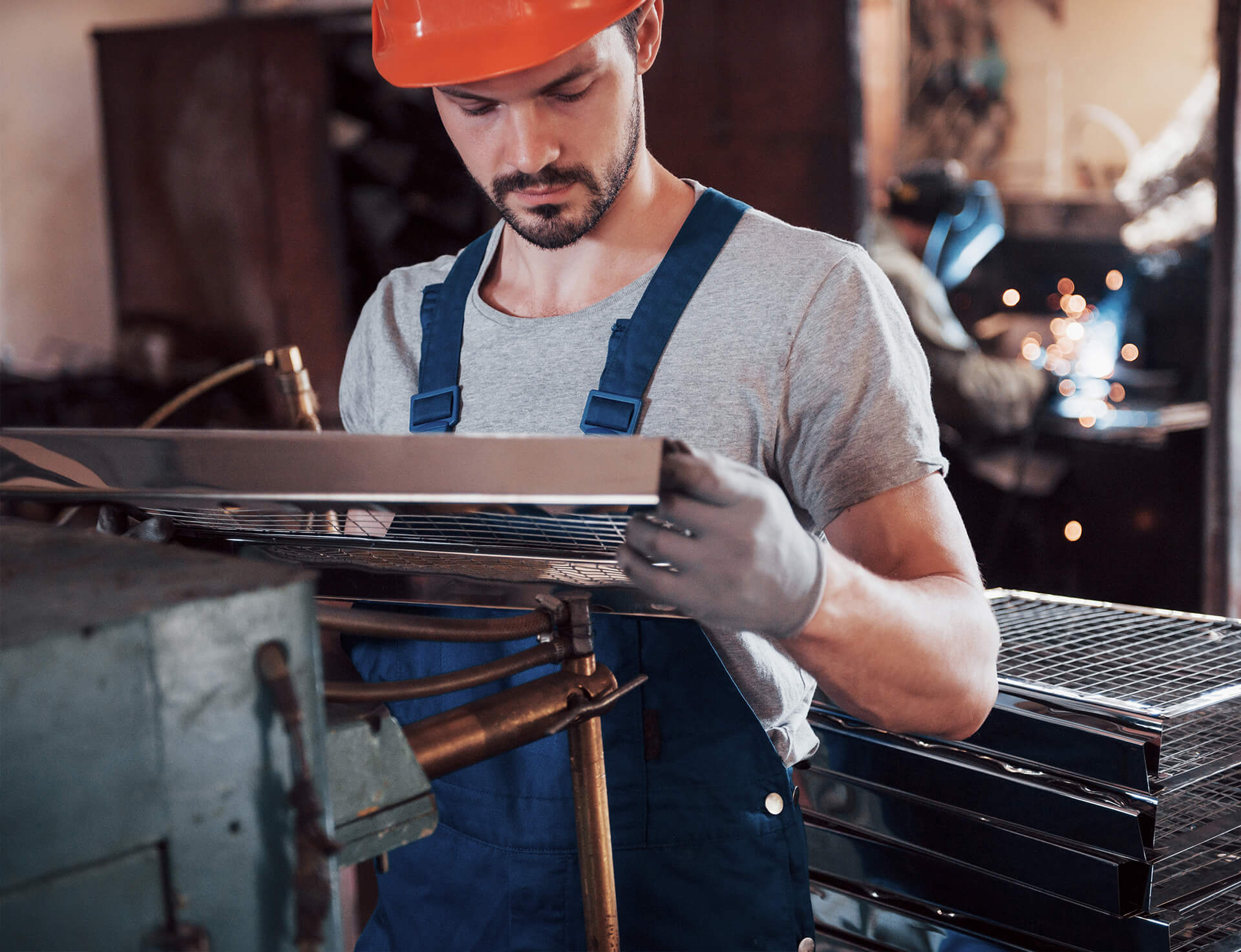
Fabrication works are an essential aspect of the construction industry, as they are required for the creation of a wide range of structures, from buildings to bridges to industrial equipment. In this blog, we’ll explore the importance of fabrication works, with a focus on three commonly used materials: MS (mild steel), SS (stainless steel), and aluminium.
Mild steel fabrication works are among the most common types of fabrication in the construction industry. MS is a durable, low-cost material that is easy to work with, making it ideal for a wide range of applications. MS fabrication works can include the creation of beams, columns, trusses, and other structural components, as well as decorative elements such as railings and grilles.
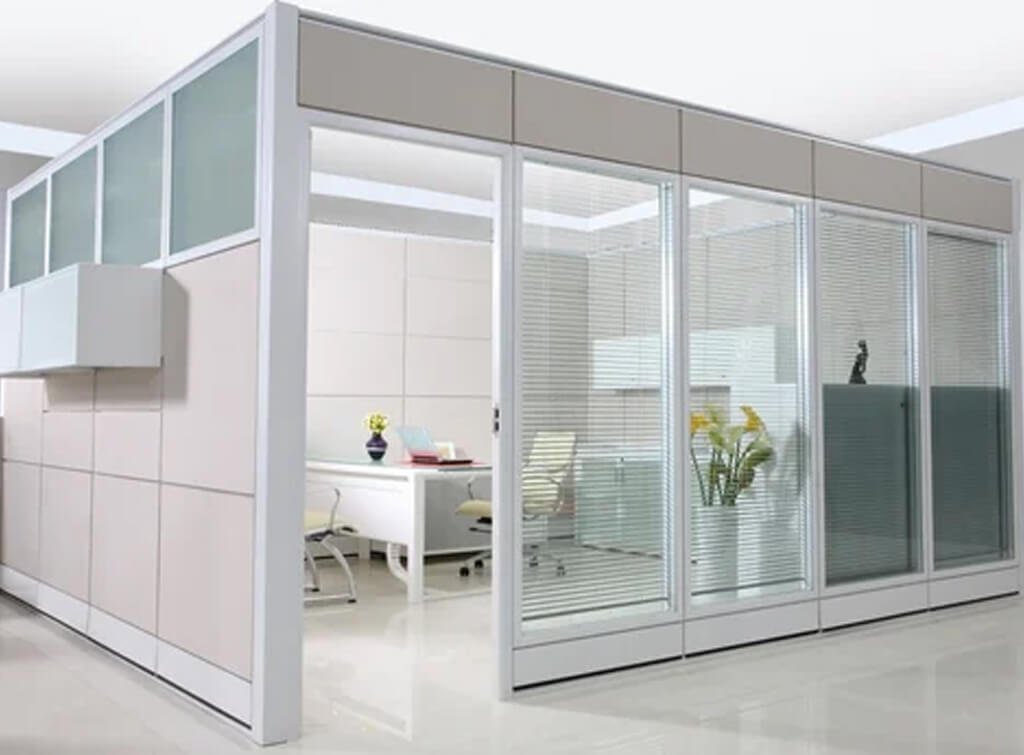
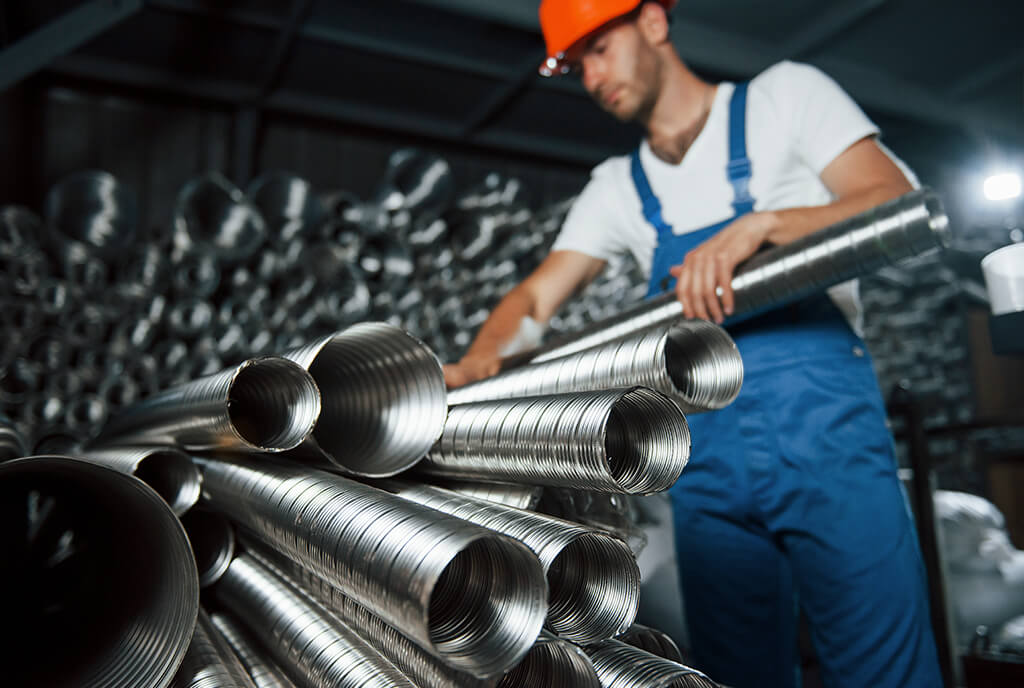
Stainless steel fabrication works are another important type of fabrication in the construction industry. SS is a highly durable material that is resistant to corrosion, making it ideal for applications where strength and longevity are critical. SS fabrication works can include the creation of bridges, buildings, and other structures where durability is a primary concern, as well as decorative elements such as handrails and architectural features.
Aluminium fabrication works are a third commonly used type of fabrication in the construction industry. Aluminium is a lightweight, corrosion-resistant material that is ideal for applications where weight is a primary consideration, such as the construction of aircraft and other transportation equipment. Aluminium fabrication works can also include the creation of architectural elements such as window frames, facades, and decorative panels.
Regardless of the material used, fabrication works require careful planning and attention to detail. Fabrication involves the cutting, bending, and welding of materials to create complex structures, and even small errors in the fabrication process can have significant consequences for the structural integrity of the finished product. For this reason, it is essential to work with experienced fabricators who have a deep understanding of the materials and techniques involved in the fabrication process.
In conclusion, fabrication works are an essential aspect of the construction industry, and MS, SS, and aluminium are three commonly used materials in the fabrication process. Each material has its own unique properties and benefits, and careful planning and attention to detail are required to ensure that the finished product is structurally sound and meets the needs of the project. By working with experienced fabricators who understand the nuances of the fabrication process, we can create structures that are not only functional and durable, but also beautiful and aesthetically pleasing.